Read Hair Practice Notes
Use the blog to review small hairdressing basics before practice: cleaner sectioning, calmer scissor movement, blow-dry control, and the checks that help beginners notice rough ends or uneven balance.
Practice Areas
CLEAN SECTIONING
Practice parting lines, clips, and smaller subsections before cutting or drying.
SCISSOR CONTROL
Slow down comb-and-scissor movement so the cutting line stays easier to see.
BLOW-DRY BASICS
Work with nozzle direction, brush tension, and heat control one section at a time.
SIDE BALANCE
Use mirror checks to compare length, weight, and shape from more than one angle.
TEXTURE CHECKS
Notice density, natural fall, and growth direction before choosing a basic approach.
TOOL SETUP
Place combs, clips, spray bottle, and shears in a repeatable practice order.
FINISHING REVIEW
Look for rough ends, heavy areas, missed damp sections, and uneven weight.
SANITATION HABITS
Clean combs, clips, and the workstation before and after hands-on practice.
PART
Create a clean section with a tail comb before adding clips.
COMB
Control the comb angle so guide length stays easier to follow.
CUT
Close the scissors slowly and check the line before moving on.
CHECK
Review side balance, rough ends, and weight before finishing.
Hairdressing Basics Built Through Small Checks
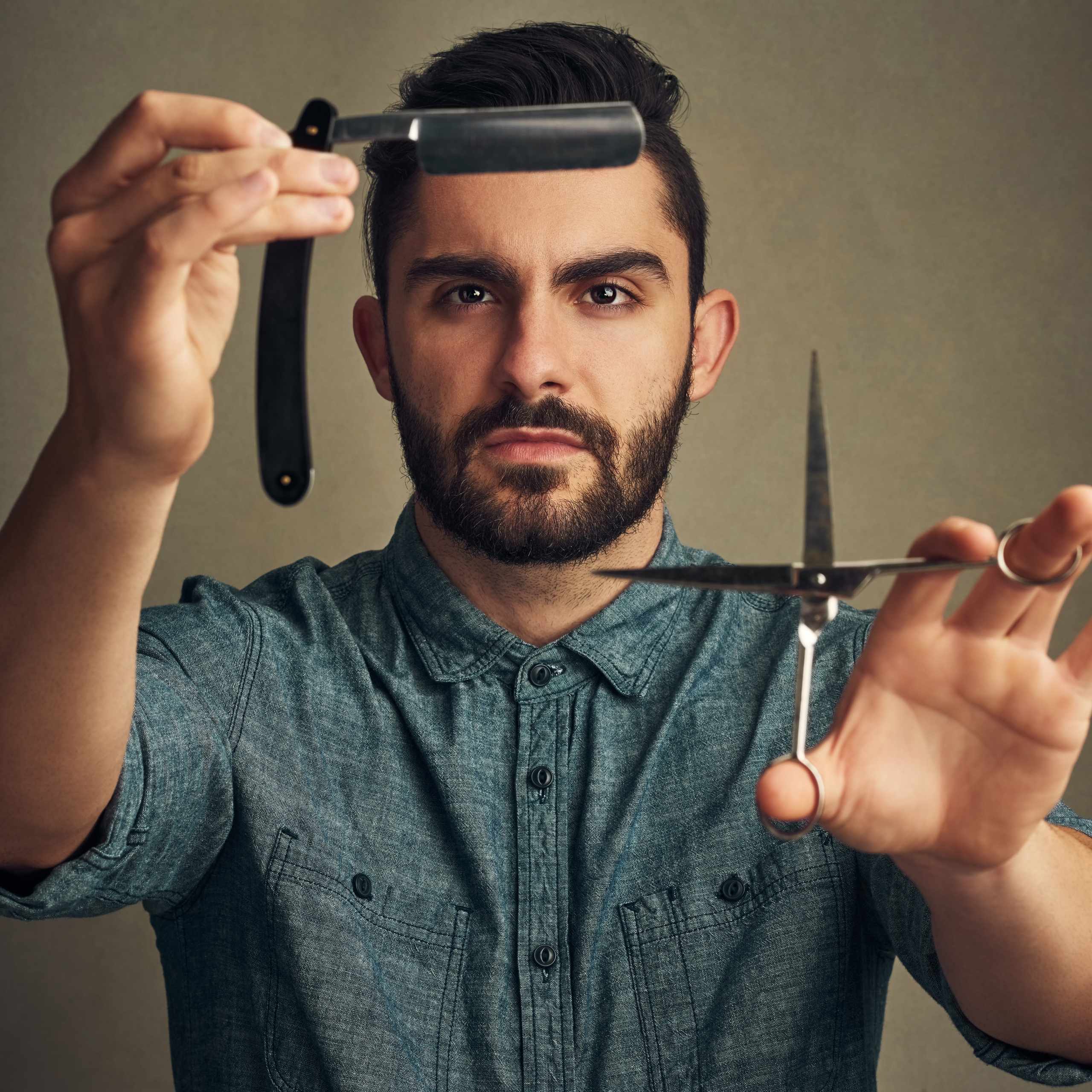
HairStylePro keeps early practice focused on visible actions: section the hair, place clips cleanly, follow a guide length, and pause before the next cutting step. This gives new learners a clearer way to notice when a subsection is too wide or the comb has lifted unevenly.
The course also connects haircutting basics with styling habits, including brush tension, dryer nozzle direction, and a final mirror check. Instead of promising instant salon-level results, the focus stays on calmer tool handling and more careful observation.
Why Choose This Course?

Simple hair practice without fake salon promises.
>> Clean Working Areas
Practice begins with parting lines, clips, and smaller subsections so cutting and blow-drying feel less chaotic. A tidier working area makes it easier to see the guide length and notice when hair has slipped out of place.
>> Slower Tool Control
Comb, shears, brush, and dryer movements are treated as skills to repeat, not steps to rush through. Learners practice steadier hand position, softer scissor closing, and more controlled brush tension.
>> Practical Shape Checks
The course encourages checks for side balance, rough ends, heavy areas, and natural fall before calling a practice piece finished. This helps learners observe the haircut instead of guessing from only one angle.
>> Repeatable Setup
A simple workstation order keeps the spray bottle, clips, combs, and cleaning supplies within reach. Repeating the same setup before practice reduces interruptions and builds better hairdressing habits.
What Learners Notice

Erika Hagiwara
The sectioning practice helped me slow down. I started seeing when my parting line was messy before I picked up the scissors.

Yoshihiro Kawano
I liked that the blow-dry work focused on brush tension and nozzle direction, not just making the hair look finished quickly.
Section
Comb
Dry
Review
Ask Before You Begin
Not sure whether to prepare shears, clips, a mannequin head, or a blow dryer first? Send a course question and clarify the starting setup, practice pace, and first hairdressing basics to focus on.